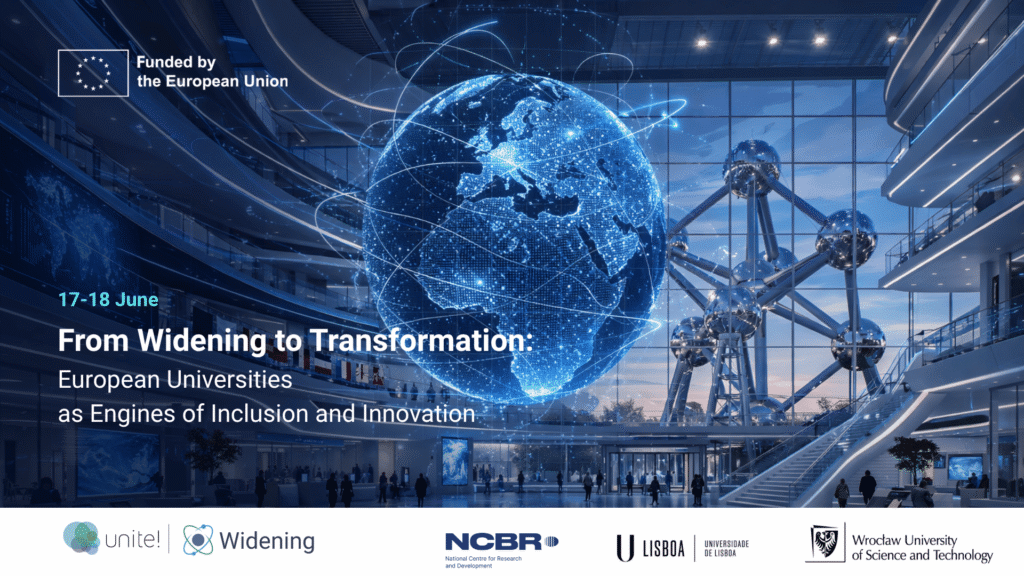
From Widening to Transformation: Building a Sustainable Future for European Research
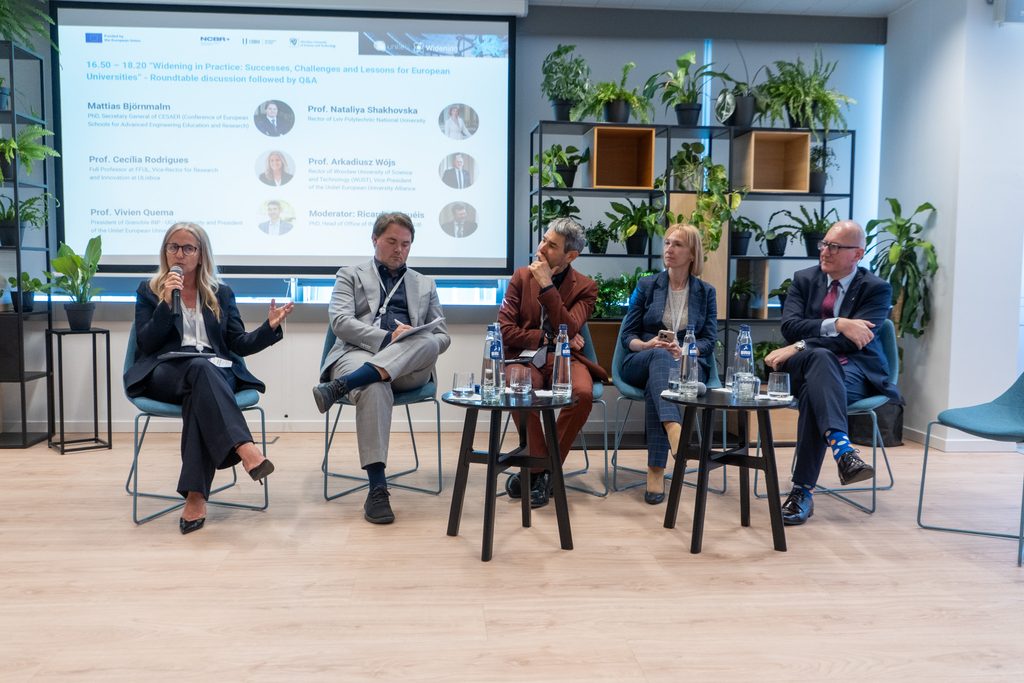
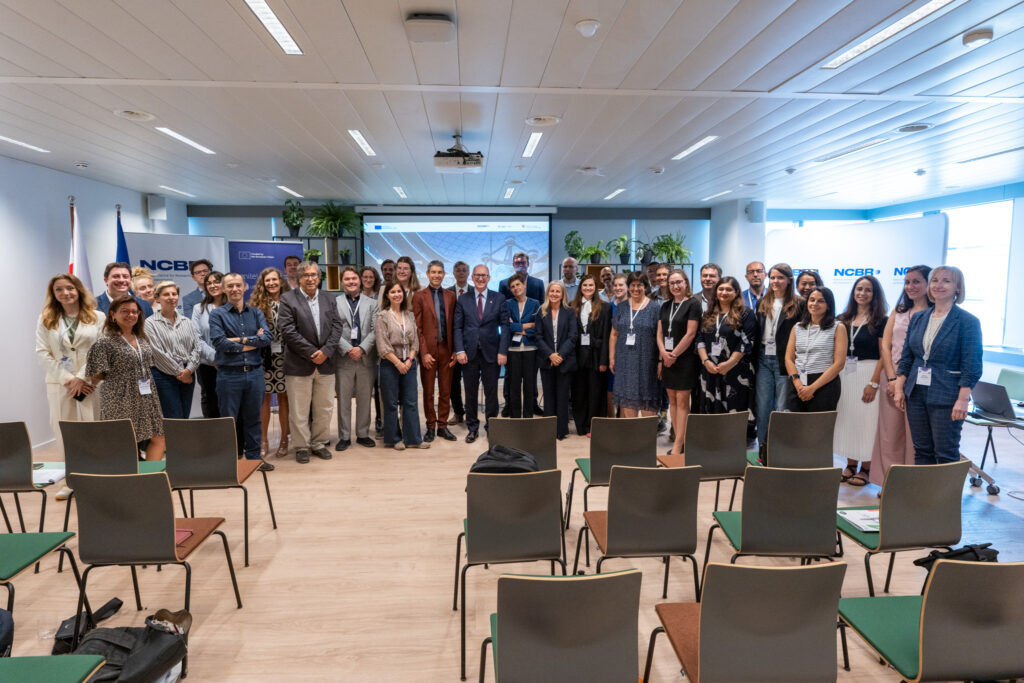
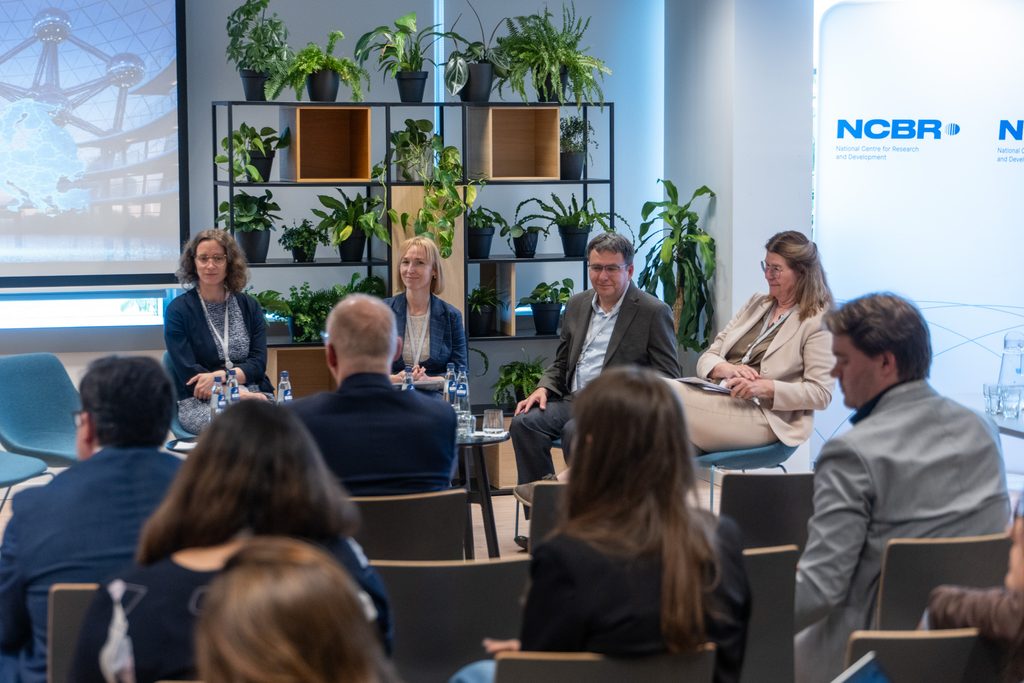
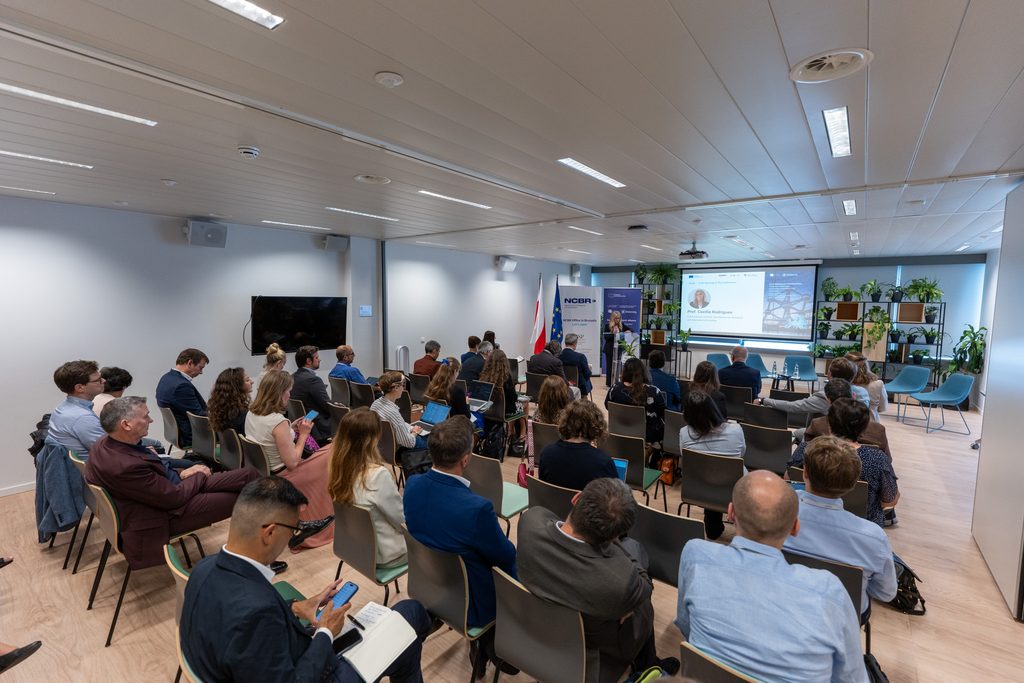
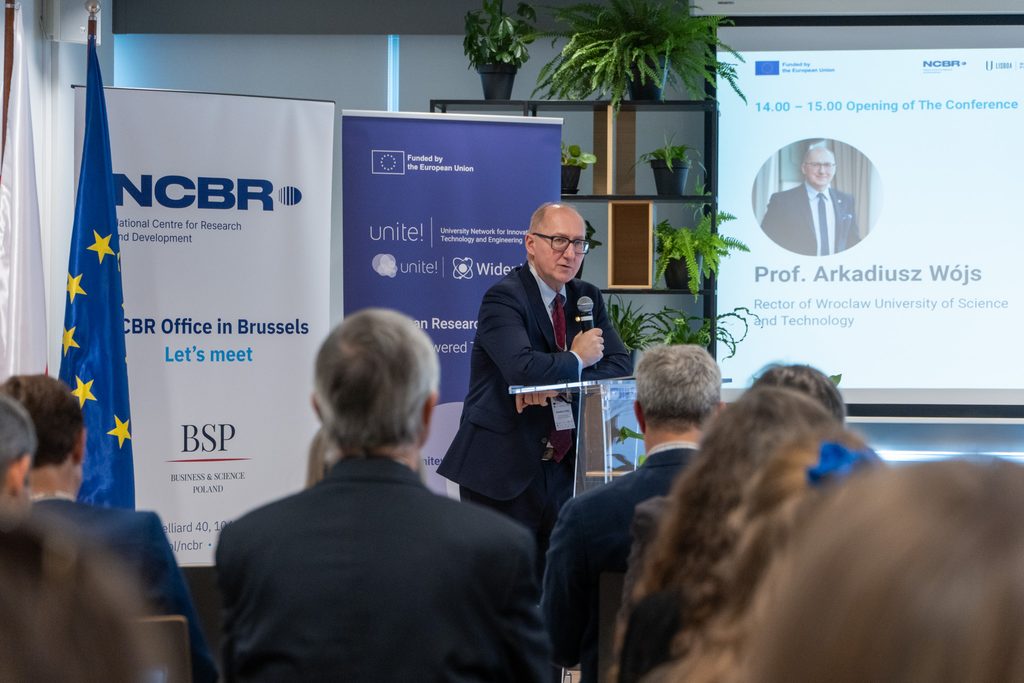
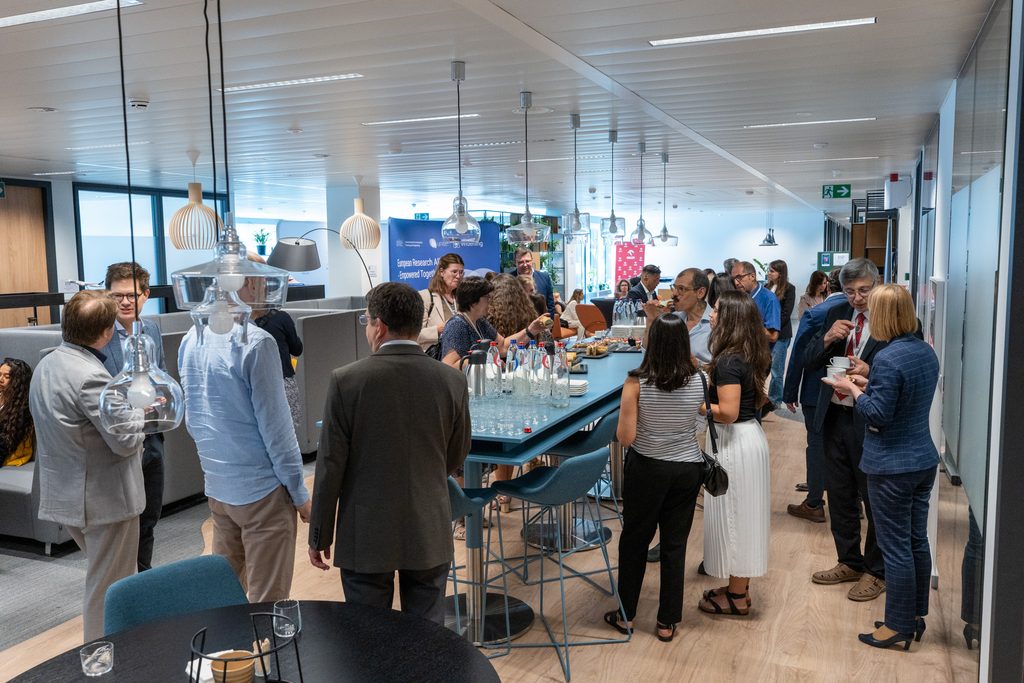
On June 17–18, 2026, academic leaders, university alliance representatives, and European policy experts met at the NCBR Brussels office for the Unite!Widening intermediate conference. Co-organized by Wrocław University of Science and Technology and the University of Lisbon, the two-day meeting focused on a central question: how European research policies can move beyond short-term cohesion instruments toward long-term institutional transformation.
Throughout the presentations and roundtable discussions, speakers highlighted the need to re-examine how Widening programs function within the broader European Research Area (ERA). Rather than treating these initiatives as isolated support mechanisms, the conference emphasized building lasting capacity, supporting human talent, and encouraging structural collaboration across institutions.
Reimagining Widening as Strategic Transformation
Opening the dialogue, institutional leaders—including Rector Prof. Arkadiusz Wójs (Wrocław Tech) and Vice-Rector Prof. Cecília Rodrigues (ULisboa)—emphasized that bridging regional innovation gaps is essential for the long-term competitiveness of Europe as a whole. Rather than treating Widening initiatives as temporary corrective measures, the conference highlighted their role as strategic accelerators. Aligning European funding instruments with institutional ambitions allows universities across all regions to participate as equal, high-impact partners in global research networks
Core Pillars of Systemic Change
- Preserving Diversity While Sharing Resources: Keynote insights from EUA President Prof. Josep M. Garrell and Prof. Manuel Heitor emphasized that European integration must not lead to rigid homogenization. True scientific excellence requires moving beyond traditional, publication-only metrics to recognize diverse institutional contributions and disciplinary strengths. By harmonizing shared research infrastructure, digital platforms, and cross-border mobility schemes, alliances can connect complementary expertise across regions while explicitly protecting the distinct identity and regional focus of each member university.
- Investing in Human Capital and Talent Retention: Advanced scientific labs and high-end research facilities are only as effective as the people who operate and leverage them. Discussions highlighted that sustainable progress depends heavily on creating attractive, long-term career pathways to attract, integrate, and retain top talent within regional ecosystems. Bridging the gap between laboratory breakthroughs and real-world market solutions requires investing not only in early-career researchers and PhD students, but also in building professional capacity for project managers, administrative teams, and specialists who can effectively bridge science and business.
- Evolving from Temporary Projects to Sustained Governance: To yield lasting institutional impact, university alliances must transcend the time-bound logic of short-term grant cycles. Conference participants stressed the necessity of establishing permanent legal entities, joint governance models, and shared administrative frameworks. Transitioning from a project-based mindset to a permanent organizational structure enables regional universities to anchor local innovation ecosystems, drive regional economic vitality, and contribute continuously to overarching European research priorities.
Alliance leaders also shared insights on moving from temporary project funding to long-term institutional structures:
- Magdalena Sikorska described how EUNICE established a dedicated legal entity to transition from project-based management to shared organizational governance.
- Prof. Bernard Vanheusden (Rector of Hasselt University) illustrated how regional universities can fulfill local socio-economic missions while contributing meaningfully to transnational European goals.
- Prof. Raquel Barreira (EUDRES) highlighted strategies for retaining talent within regional ecosystems by connecting researchers back to their home institutions.
Looking Toward 2030
Closing the conference, Prof. Fátima Montemor and Prof. Agata Klaus-Rosińska reflected on the trajectory of the Unite!Widening initiative. They noted that institutional transformation is a gradual process requiring clear leadership, agile governance, and continuous collaboration across national boundaries.
As discussions around future European Framework Programmes continue, the Brussels conference demonstrated that Widening partner institutions are playing an active role in shaping policy. By focusing on shared research infrastructure, talent retention, and deep institutional partnerships, European university alliances are helping to build a more balanced, connected, and resilient research landscape.
Upcoming White Paper Announcement
Building upon the rich exchanges, strategic insights, and policy proposals from the Brussels conference, the project team will soon publish an official White Paper. This strategic document will synthesize the conference’s key outcomes into actionable recommendations for European policymakers, university leaders, and alliance managers as discussions surrounding future EU Framework Programmes continue to take shape.